
Alcohol and the Liver: Why Mood EQ Combines NAC, Silymarin and Antioxidants
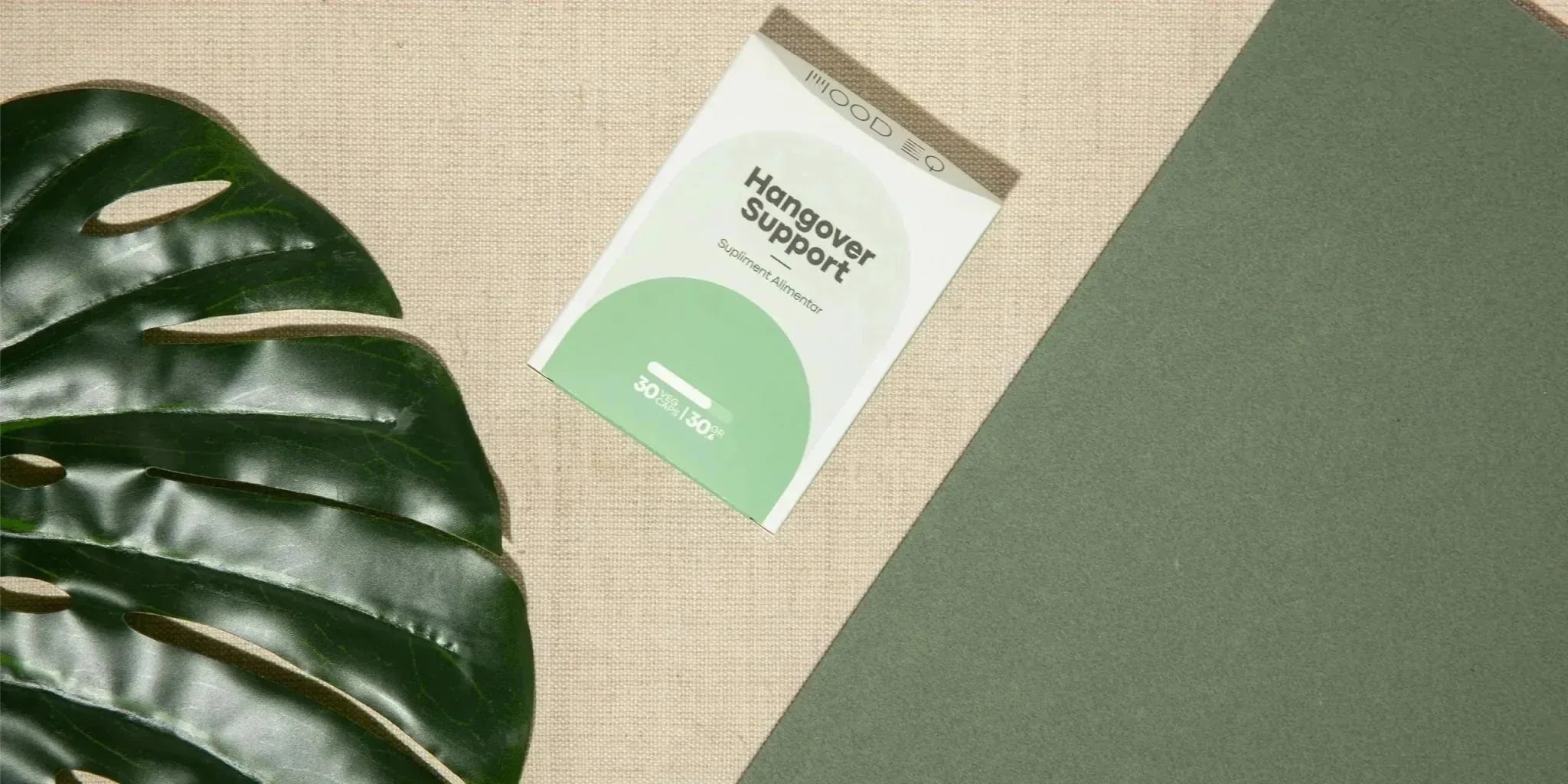
The liver plays a central role in how the body processes alcohol. That is why many hangover products rely on broad expressions such as "detox" or "liver support". Mood EQ takes a more concrete approach: ingredients relevant to the antioxidant and nutritional story, with every dose disclosed.
The liver plays a central role in alcohol metabolism, but no food supplement can turn excessive drinking into a safe behaviour. "Liver support" should never mean permission to drink more.
How the body metabolises alcohol
After absorption, most ethanol is metabolised in the liver. The enzyme alcohol dehydrogenase (ADH) converts ethanol into acetaldehyde. Aldehyde dehydrogenase (ALDH) then converts acetaldehyde into acetate, which can be broken down further.
Acetaldehyde is a toxic and carcinogenic compound. The rate at which alcohol is metabolised varies between people and is influenced by genetics, body mass, liver size, food intake and the amount consumed. NIAAA explains these stages in its guide to alcohol metabolism.
Important: there is no proven nutritional shortcut that makes the liver rapidly clear a large amount of alcohol.
Alcohol, acetaldehyde and oxidative stress
Alcohol metabolism can contribute to the formation of reactive oxygen species and changes in cellular redox balance. Research associates hangovers with several factors, including alcohol metabolites, inflammation and oxidative stress. This broader picture helps explain why a well-designed formula should go beyond hydration or a single headline ingredient.
An analysis of the inflammatory response associated with hangovers reported correlations between symptom severity and markers of inflammation and oxidative stress. A correlation does not demonstrate that taking an antioxidant will prevent those symptoms.
Where glutathione enters the story
Glutathione is produced by the body and takes part in cellular antioxidant systems. To synthesise it, the body uses amino acids, including cysteine.
N-acetylcysteine, or NAC, is a derivative of L-cysteine and a precursor to glutathione. This relationship is well described in a review of NAC and human health.
This is where the scientific interest in NAC in contexts involving oxidative stress and alcohol comes from. Direct clinical studies on hangovers have produced mixed results, so NAC should not be presented as an antidote. Its role in Mood EQ is both more accurate and more credible: 360 mg of a glutathione precursor, integrated into a broader antioxidant layer.
What we know about milk thistle and silymarin
Milk thistle has a history of traditional use for supporting liver health. Silymarin, the main complex extracted from the plant, has been investigated in liver diseases and experimental models.
A review of the silymarin literature discusses antioxidant and anti-inflammatory mechanisms and research in populations with liver conditions. Those settings are not identical to occasional drinking, but they explain the scientific interest in silymarin and the plant's history of traditional use.
Mood EQ does not simply list "milk thistle" on the label. It provides 250 mg of extract standardised to 80% silymarin, delivering 200 mg of silymarin per serving. Standardisation turns a traditional ingredient story into a measurable quantity.
How Mood EQ builds nutritional support
In Mood EQ, nutritional support comes from a combination of factually described ingredients and nutrients with authorised health claims:
- vitamins C and E, zinc and selenium contribute to the protection of cells from oxidative stress;
- vitamin C, zinc and selenium contribute to normal immune function;
- B vitamins and magnesium contribute to normal energy-yielding metabolism;
- molybdenum contributes to the normal metabolism of sulphur-containing amino acids;
- NAC is a precursor to glutathione;
- the milk thistle extract is standardised to 80% silymarin.
Taurine, alpha-lipoic acid and acetyl L-carnitine complete those layers, with each ingredient listed separately. The formula does not place the entire burden on NAC or silymarin; it combines them with nutrients whose roles are authorised and clearly defined.
The most effective protection is still the amount you drink
The body needs time to metabolise alcohol. Coffee, cold showers, a short sleep or supplements do not rapidly lower blood alcohol concentration. To reduce the risk of a difficult morning:
- drink less alcohol and drink more slowly;
- do not drink on an empty stomach;
- alternate alcoholic drinks with water;
- do not drive or make risky decisions after drinking;
- check interactions between alcohol, medicines and supplements.
Where Mood EQ fits
Mood EQ Hangover Support is taken before your first drink to provide nutritional support ahead of time. The formula contains 17 ingredients, with every dose disclosed.
The difference from a generic "detox" formula is verifiable: a disclosed dose of NAC, standardised milk thistle extract, vitamins and minerals with authorised functions and additional compounds selected from relevant research. Mood EQ does not process alcohol instead of the liver; it provides nutritional support ahead of time, before the night begins.
See the complete formula and compare all 17 doses →
Sources and further reading
- NIAAA: Alcohol Metabolism
- NIAAA: Hangovers
- N-Acetylcysteine (NAC): Impacts on Human Health
- Silymarin in liver diseases: past, present, future
This article is for information only and does not provide advice for treating liver disease. People with a liver condition, problematic alcohol use or prescribed medication should speak to a healthcare professional.
By Bogdan Georgescu, founder of Mood EQ



